
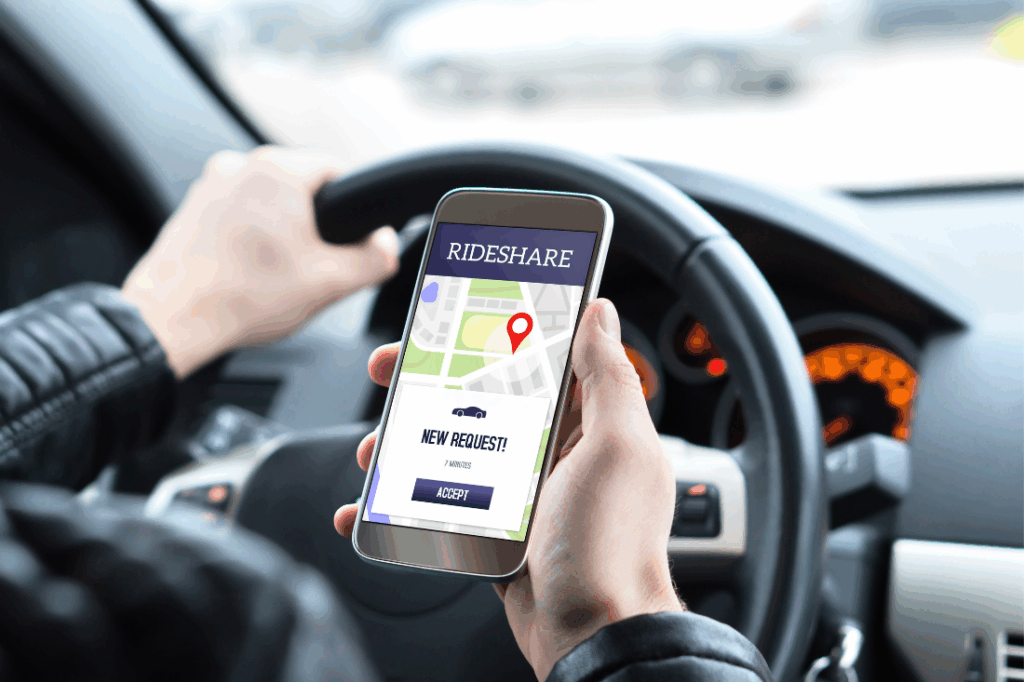
On a recent trip, we had several short rides with different ride-share drivers, little windows into how people communicate when they’re supposed to be “on the job.” Some drivers were professional, polite, and helpful. Others told interesting stories or played music we liked. A few, though, revealed quirks, making the rides uncomfortable.
With one driver, there was a moment of confusion about who would load the luggage. He started loading, and when I asked if he was okay, his tone implied I’d upset him. Later, he kept making comments and asking if I approved of his service. He said I looked at him as if he were from outer space. I responded politely but cautiously, unsure where the conversation would go.
In another ride, the driver parked across the street from our address and repeatedly switched songs while driving. When I stepped out to walk someone to her building, he turned the vehicle around and parked on the other side of the street, which seemed unnecessary. I thanked him for his patience, but he didn’t respond. At the hotel, my wife called him out for rudeness. She said when I walked the other person to her building, he said I slammed the car door, which was rude. I did not do this. He had also been tailgating and driving fast.
These small moments add up. They remind us people often bring their own “baggage” into customer interactions, and poor communication is a business issue. For organizations, the lesson is simple: consistent signals, clear expectations, and courtesy matter. A pleasant voice, respectful boundary-setting, and predictable behavior build trust. Inconsistency brings discomfort and bad reviews.
If customers are your audience, don’t leave communication to chance. Train staff on clear, courteous scripts. Set expectations for nonverbal behaviors and coach employees to read and respect customer cues. The ride-share world is full of micro-interactions. Use them as opportunities to build trust, not reasons to lose it.
Everyday interactions are brand experiences.